The Benefits of Drone Pressure Washing for Little Rock Industrial and Warehouse Facilities
The Benefits of Drone Pressure Washing for Little Rock Industrial and Warehouse Facilities
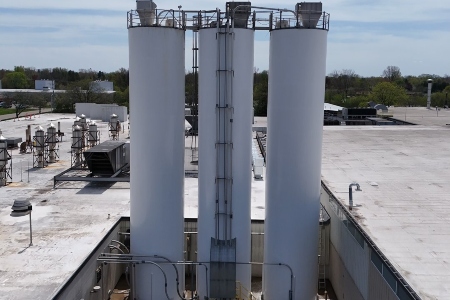
Keeping a sprawling warehouse or industrial site clean in Little Rock, AR, is a big job. Traditional lifts, scaffolding, and long shutdowns slow production and add risk. Drone pressure washing changes the equation. It delivers safer access, faster turnaround, and consistent results on tall exteriors, wide roofs, and hard-to-reach features.
Schedule professional drone pressure washing in Little Rock today: call 501-812-9999 to speak with Drone of Ark.
What Is Drone Pressure Washing?
Drone pressure washing uses a commercial-grade drone equipped with stabilized spray equipment and on-board controls to apply water and cleaning solutions from the air. A trained pilot and a ground safety tech work together to clean surfaces like metal panel walls, membrane roofs, skylight surrounds, vents, conveyors, and signage with minimal disruption. The system keeps crews on the ground while the drone handles the heights.
For sites around the Port of Little Rock, the I-30 and I-40 corridors, and industrial areas near Mabelvale and Maumelle, this approach helps team leaders maintain cleanliness without tying up loading docks or staging heavy gear in active lanes.
Why It Is Safer For Large Facilities
Working at height is one of the biggest risks in maintenance. Aerial lifts and scaffolding add setup time, traffic conflicts, and exposure. Drone washing reduces that exposure by placing the cleaning tool in the air while your people stay on the ground behind a set perimeter.
- Less time at height means lower fall risk and fewer lift movements near pedestrians and forklifts.
- Smaller ground footprint keeps aisles, fire lanes, and emergency routes clearer.
- Faster setup reduces the window where the weather can change conditions on a roof or mezzanine.
Always secure a safe perimeter beneath drone work to keep teams and deliveries moving. A clear, well-marked zone helps protect employees, trucks, and visitors while cleaning is underway.
Speed And Consistency Without Sacrificing Quality
Large sites in Little Rock often face short maintenance windows. Drone pressure washing covers square footage quickly and repeats the same controlled passes over each section. That means more consistent dwell times, even coverage on high walls, and fewer missed spots around penetrations and skylight curbs.
Operators can fine-tune flow, pressure, and fan angle from the ground. This is valuable on mixed-material campuses where you might have insulated metal panels next to brick or EIFS. The pilot adjusts settings as surfaces change so you get a clean that looks even across the whole elevation.
Where Drone Cleaning Works Best
Drone pressure washing is built for wide, tall, or tricky surfaces that slow down ground crews or require expensive access equipment. Common examples around Little Rock include distribution centers near the river, cold storage along Frazier Pike, and manufacturing plants with long roof runs and multiple vents.
- Warehouse roofs with membrane, TPO, or coated metal panels
- High exterior walls, clerestory windows, and parapets
- Signage, canopies, and dock equipment surrounds
- Tank exteriors, conveyors, and structural steel where ground access is limited
Drone cleaning is not ideal for delicate assemblies that cannot be exposed to water or for confined spaces under overhangs that limit safe flight. A site walk helps surface these details before work begins.
How A Typical Project Flows
Successful outcomes come from clear planning. Here is a simple, field-tested flow many Little Rock facility teams follow with Drone of Ark.
- Site assessment and flight plan. Map flight corridors, establish ground perimeters, and note surface types. Identify no-fly obstacles like power lines and vents that push hot air.
- Pre-clean prep. Move vehicles from splash zones, cover sensitive gear where needed, and communicate timing with shipping so trucks are routed around work zones.
- Calibrated cleaning. The pilot and ground tech start on less visible sections to confirm pressure, spray angle, and rinse volumes. Adjust for pollen, soot, or red clay dust based on the day's conditions.
- Quality verification. A supervisor checks uniformity at transitions and at details like skylight frames and downspouts. Touch-ups are done the same day for a seamless finish.
- Documentation. Before-and-after images captured from the drone help your maintenance records and audits.
Seasonal Factors In Little Rock, AR
Little Rock weather swings matter. Spring brings high pollen loads that stain light roofs and cling to vents. Summer heat dries grime faster, which calls for careful dwell timing. Fall leaf debris and red clay dust can streak walls after storms. Planning your schedule around those cycles produces better results and fewer repeat visits.
Many local managers target two key windows: late spring after peak pollen and early fall once the hottest weeks pass. That timing is friendly for workers on the ground and for drying conditions on large roof areas. If your facility is near tree lines in Otter Creek or close to high-traffic routes where soot collects, you might consider an extra rinse after major weather events.
For wide, bright roofs in Central Arkansas, schedule drone cleaning after the heavy yellow pollen drop is over. You will get cleaner results with less re-deposit and fewer touch-ups around skylights.
What About Water, Pressure, And Runoff?
Industrial and warehouse surfaces vary. The right process balances effective cleaning with surface protection and responsible water handling. Pressure and flow are set for each material to lift films without scarring coatings or forcing water into joints. Controlled spray patterns and rinse direction help guide water toward existing drainage paths.
High-bay skylights and solar panels need low-pressure settings to prevent damage. The crew should document these zones in the flight plan and switch to appropriate nozzles before approaching them.
Keeping Little Rock Clean
Our Exterior Cleaning Services


Residential Pressure Washing
Your home is one of your most important investments, and keeping it clean plays a major role in maintaining its value and appearance. Our residential services are designed to remove dirt, algae, mold, and buildup from a wide range of surfaces while protecting the integrity of your property. Homeowners trust us because we focus on results that last. We don't rush through jobs or rely on one-size-fits-all methods. Instead, we tailor each service to the specific needs of your property.
Commercial Pressure Washing
Businesses rely on clean, well-maintained exteriors to make a strong impression. Our commercial pressure washing services are designed to help you maintain a professional appearance while protecting your investment. We handle everything from building washing and parking lot cleaning to solar panel maintenance and industrial pressure washing. Our team understands the importance of minimizing downtime, so we work efficiently and can schedule services around your operating hours when needed.
Drone-assisted cleaning plays a major role in our commercial work, especially for larger buildings and structures. This allows us to clean areas that are difficult to reach with traditional equipment, improving both safety and efficiency. Whether you manage a retail property, office building, or industrial site, we provide dependable pressure washing that keeps your business looking its best.
Minimizing Disruption To Operations
Managers in North Little Rock and along the 65th Street industrial corridor often ask how to clean without slowing shipping. Drone washing keeps the ground clear so forklifts and pickers can keep moving inside while exterior work happens outside. You can stage the job in zones that match your shift changes and traffic peaks. Shorter setup and takedown reduce the number of pauses you need to communicate across departments.
Because most equipment stays on the ground, it is easier to relocate if an urgent delivery arrives. That agility helps your team avoid the long detours that usually come with parked lifts or scaffold bays.
Quality You Can See Up Close
From the street, a clean facade looks good. Up close, quality shows at the edges. Drone pressure washing excels along seams, fasteners, and trim lines because the pilot can hold a steady, repeatable stand-off distance. That consistency helps prevent zebra striping on large panels and eliminates the faint arcs you sometimes see from hand-washing on lifts.
Near dock doors in Little Rock's warehouse districts, soot and tire marks collect fast. A calibrated detergent pass followed by a controlled rinse evens out those visibly darker bands so your dock face matches the rest of the wall.
Environmental And Site Care Considerations
Every site has unique needs. Some facilities prefer water-only rinses between deeper cleans. Others include approved detergents for oily residues around equipment yards. Crews can use targeted application to limit overspray and guide water to drains you already manage. If your site uses stormwater best practices, align the work plan with those routes so you stay consistent with existing procedures.
On windy days along the Arkansas River, pilots may adjust flight paths or reschedule to maintain control and keep overspray inside the safe zone. Communication ahead of weather fronts helps keep your calendar predictable.
How Drone Pressure Washing Compares To Traditional Methods
Traditional pressure washing still fits many ground-level tasks. For wide roofs and high walls, drones usually bring a better mix of safety, speed, and uniform coverage. You avoid long equipment rentals, traffic control for lifts crossing active lanes, and repeated touch-ups where hand access is inconsistent. The aerial perspective also helps crews find problem spots like algae growth behind parapets or debris pockets around HVAC stands.
If your team wants a single provider for both aerial and ground tasks, Drone of Ark coordinates drone passes with targeted ground work so transitions look seamless and water management stays under control throughout the job.
What To Ask Before You Book
Choosing the right partner makes the difference between a quick rinse and a meaningful reset of your facility's appearance. Here are a few questions facility managers in Little Rock use when they evaluate providers:
- Can you share a written flight plan and ground safety perimeter for our site layout?
- How do you set pressure and flow for our mix of roof and wall materials?
- What is your plan for wind shifts and changing weather during the job?
- How will you protect dock equipment, signage, and skylights during cleaning?
- What kind of before-and-after documentation will we receive?
Ask for flight and inspection logs after each job for your maintenance records. They help track wear, plan future cleanings, and show stakeholders the value of your program.
Real-World Use Cases Around Little Rock
We often see quick wins at distribution hubs near the Little Rock Port Authority where tall, sun-facing walls show every streak. Drone washing resets those elevations in a day while docks stay open. Manufacturing sites with roof equipment that sheds dust or residue benefit from periodic rinses that keep drains clear and prevent staining. Facilities near green belts in Otter Creek and western suburbs cut down on algae buildup with seasonal scheduling.
If you manage multiple buildings across Central Arkansas, a coordinated flight plan allows the crew to move site to site in a single mobilization. That reduces repeat setup and keeps your calendar simple.
Maintenance Planning And Frequency
Cleaning frequency depends on your location, nearby vegetation, and traffic. Many Little Rock facilities choose one full-service drone wash per year with targeted rinses after major pollen events or storms that push debris across roofs. If you are close to rail or heavy truck corridors, a midyear touch-up on the most exposed elevation keeps your brand and safety signage crisp.
Track how quickly stains return at a few reference spots. That simple log helps you refine intervals so you are cleaning because you need it, not just because the calendar says so.
Why Choose Drone of Ark For Drone Pressure Washing
Drone of Ark pairs trained drone pilots with experienced pressure washing technicians who know industrial surfaces. We plan flights to minimize downtime, communicate with your shift leads, and document results you can share with leadership. From North Little Rock to Mabelvale, we set up clean perimeters, calibrate for your surface mix, and leave the site as orderly as we found it.
If you want a single contact who handles coordination and updates, our project lead stays on-site and available. You can reach us anytime at 501-812-9999 for scheduling or questions.
Ready To Keep Your Facility Clean And Productive?
Drone pressure washing gives Little Rock industrial and warehouse teams a safer, faster path to a consistent clean. It reduces time at height, limits ground clutter, and delivers even results on the largest surfaces. If you are comparing approaches, consider how a short, well-planned drone visit could replace days of lifts and lane closures.
Learn more about our pressure washing in Little Rock and how Drone of Ark builds a plan around your site, your shifts, and your season. When you are ready to schedule, call 501-812-9999. We are here to help you protect your facility, your people, and your brand with a clean that lasts.
Your next maintenance window can deliver maximum impact with minimal downtime. Let Drone of Ark plan and execute a safe, efficient drone wash for your site.

How Can We Help?
Get Your Free Pressure Washing Quote Today
Our commitment to precision and quality is built around your project’s success. Driving meaningful progress from start to finish.